La forêt. Solitudes et solidarités.
Collective show 11/10/2025 > 18/01/2026
Cercle Cité - Luxembourg (Luxembourg)
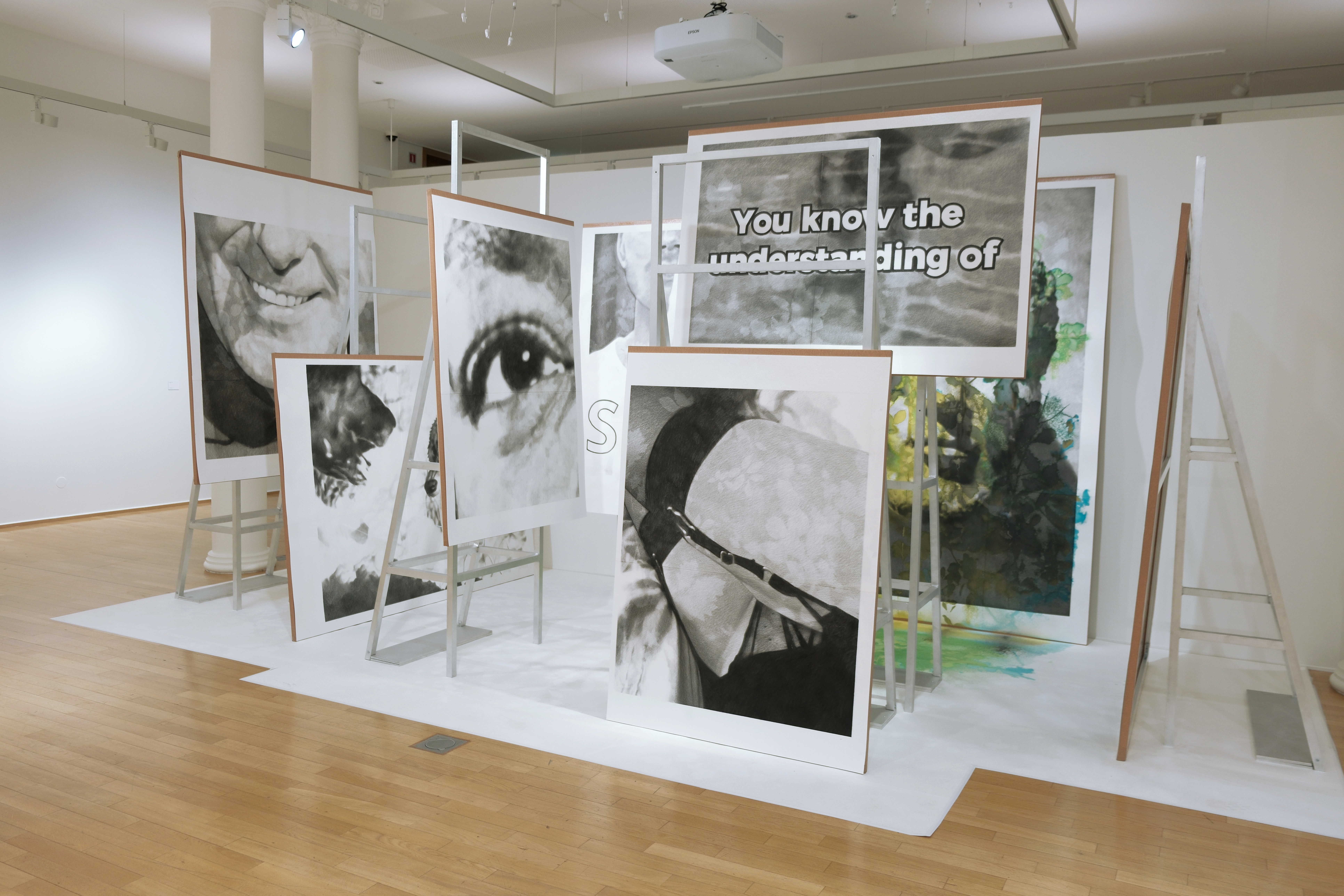
Parure(s) installation - 2025. Charcoal, blotting paper, ink, perfusion bags and aluminium.
Various dimensions
ENG. The exhibition entitled La forêt. Solitudes et solidarités (The Forest. Solitudes and solidarities) was developed independently but in resonance with the themes presented by the LUGA. It explores the complex relationships that are woven between urban and forest environments, as well as the role of forests in contemporary imaginations.
In western society, cities and forests are often seen in terms of an opposition between nature and nurture that continues to influence our collective representations, societal projects and development policies. Throughout history, the ways in which human beings relate to forests have been characterised by a profound ambivalence. As spaces that are both mysterious and disturbing, forests are fascinating and frightening in equal measure. Magical and enchanted places in mythological narratives, tales and legends, they also appear as dark, potentially hostile zones that it is important to master. In addition, forests are also viewed through a utilitarian prism. When subjected to the logic of exploitation and management they constitute a precious economic resource.
Nevertheless, in spite of being transformed into administered spaces and integrated into the dynamics of production, forests continue to embody the image of a world on the margins of civilization, resisting its influence. This idealization of nature comes down through the centuries, passing on the myth of a harmonious primal order predating the corruption of progress. Still today, it inspires artistic imaginations with alternative visions of the future, often arising from the idea of a lost golden age. (...)
Clément Minighetti
To read Clément Minighetti’s text in full, Click here
FRA. Développée indépendamment mais en écho aux thématiques portées par la LUGA, l’exposition La forêt. Solitudes et solidarités. explore les relations complexes qui se tissent entre les environnements urbains et forestiers, ainsi que la place qu’occupe la forêt dans l’imaginaire contemporain.
Dans nos sociétés occidentales, la ville et la forêt sont souvent appréhendées selon une opposition entre nature et culture qui continue d’influencer nos représentations collectives, nos projets de société et nos politiques d’aménagement. À travers l’histoire, les rapports des humains à la forêt sont ainsi marqués par une profonde ambivalence. En tant qu’espace à la fois mystérieux et inquiétant, la forêt fascine autant qu’elle effraie. Lieu magique et enchanté dans les récits mythologiques, contes et légendes, elle se présente aussi comme un territoire sombre, potentiellement hostile, qu’il convient de maîtriser. Par ailleurs, la forêt est également perçue sous un prisme utilitaire. Elle constitue une ressource économique précieuse, soumise à des logiques d’exploitation et de gestion.
Néanmoins, malgré leur transformation en espaces administrés et leur intégration dans des dynamiques de production, les forêts continuent d’incarner l’image d’un monde en marge de la civilisation, résistant à son emprise. Cette idéalisation de la nature, véhiculant le mythe d’un ordre originel harmonieux antérieur à la corruption du progrès, traverse les siècles. Elle alimente aujourd’hui encore des imaginaires artistiques, porteurs de visions alternatives de l’avenir, souvent inspirées de l’idée d’un âge d’or perdu. (...)
Clément Minighetti
Pour lire le texte complet de Clément Minighetti, Cliquez ici
![]()
photo by Iyoshi Kreutz
![]()
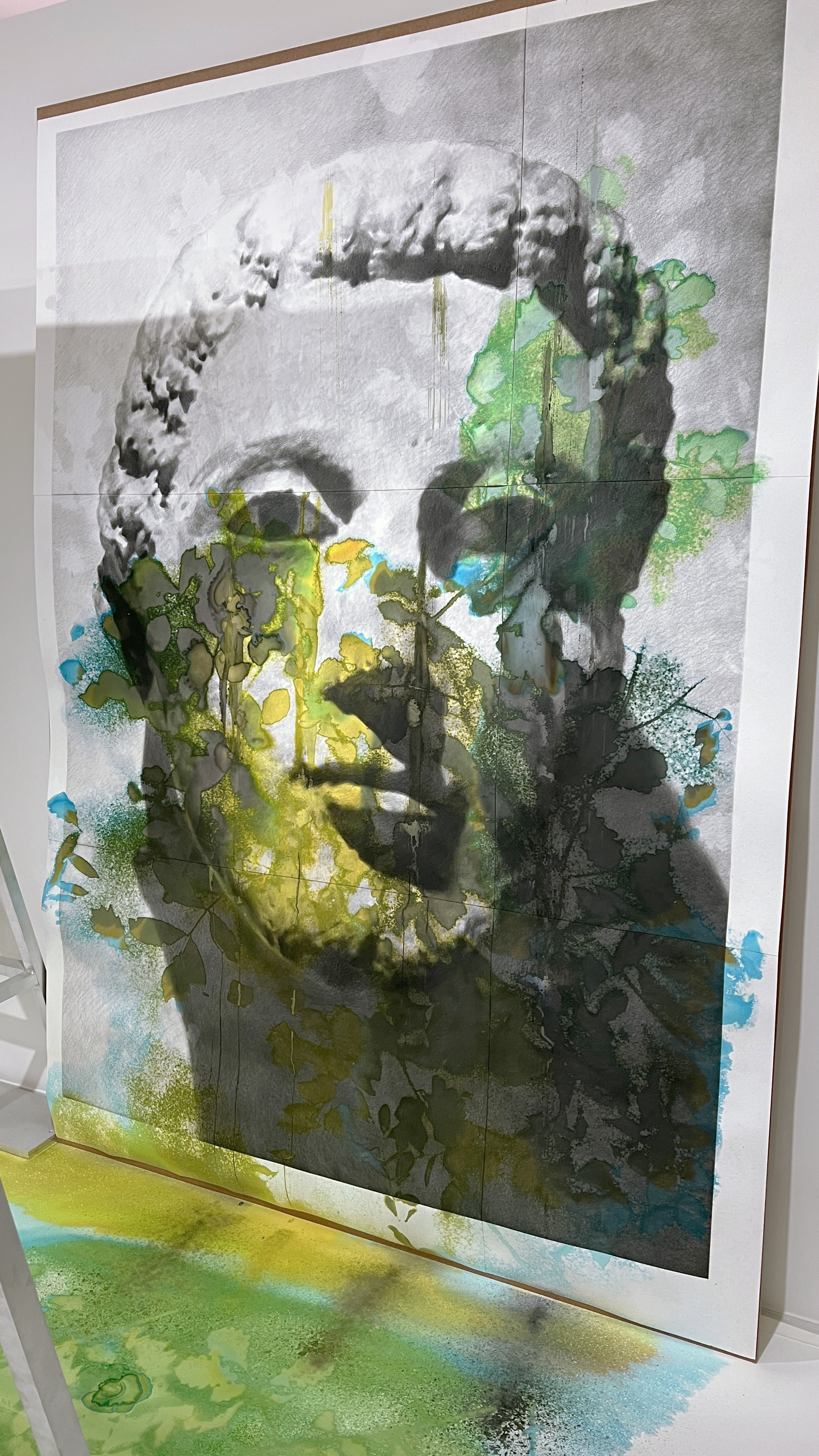
Parure(s) installation - detail (Parure(s) 10) - 2025. Charcoal, black stone and ink on blotting paper.
230 x 160 cm
![]()
In western society, cities and forests are often seen in terms of an opposition between nature and nurture that continues to influence our collective representations, societal projects and development policies. Throughout history, the ways in which human beings relate to forests have been characterised by a profound ambivalence. As spaces that are both mysterious and disturbing, forests are fascinating and frightening in equal measure. Magical and enchanted places in mythological narratives, tales and legends, they also appear as dark, potentially hostile zones that it is important to master. In addition, forests are also viewed through a utilitarian prism. When subjected to the logic of exploitation and management they constitute a precious economic resource.
Nevertheless, in spite of being transformed into administered spaces and integrated into the dynamics of production, forests continue to embody the image of a world on the margins of civilization, resisting its influence. This idealization of nature comes down through the centuries, passing on the myth of a harmonious primal order predating the corruption of progress. Still today, it inspires artistic imaginations with alternative visions of the future, often arising from the idea of a lost golden age. (...)
Clément Minighetti
To read Clément Minighetti’s text in full, Click here
FRA. Développée indépendamment mais en écho aux thématiques portées par la LUGA, l’exposition La forêt. Solitudes et solidarités. explore les relations complexes qui se tissent entre les environnements urbains et forestiers, ainsi que la place qu’occupe la forêt dans l’imaginaire contemporain.
Dans nos sociétés occidentales, la ville et la forêt sont souvent appréhendées selon une opposition entre nature et culture qui continue d’influencer nos représentations collectives, nos projets de société et nos politiques d’aménagement. À travers l’histoire, les rapports des humains à la forêt sont ainsi marqués par une profonde ambivalence. En tant qu’espace à la fois mystérieux et inquiétant, la forêt fascine autant qu’elle effraie. Lieu magique et enchanté dans les récits mythologiques, contes et légendes, elle se présente aussi comme un territoire sombre, potentiellement hostile, qu’il convient de maîtriser. Par ailleurs, la forêt est également perçue sous un prisme utilitaire. Elle constitue une ressource économique précieuse, soumise à des logiques d’exploitation et de gestion.
Néanmoins, malgré leur transformation en espaces administrés et leur intégration dans des dynamiques de production, les forêts continuent d’incarner l’image d’un monde en marge de la civilisation, résistant à son emprise. Cette idéalisation de la nature, véhiculant le mythe d’un ordre originel harmonieux antérieur à la corruption du progrès, traverse les siècles. Elle alimente aujourd’hui encore des imaginaires artistiques, porteurs de visions alternatives de l’avenir, souvent inspirées de l’idée d’un âge d’or perdu. (...)
Clément Minighetti
Pour lire le texte complet de Clément Minighetti, Cliquez ici
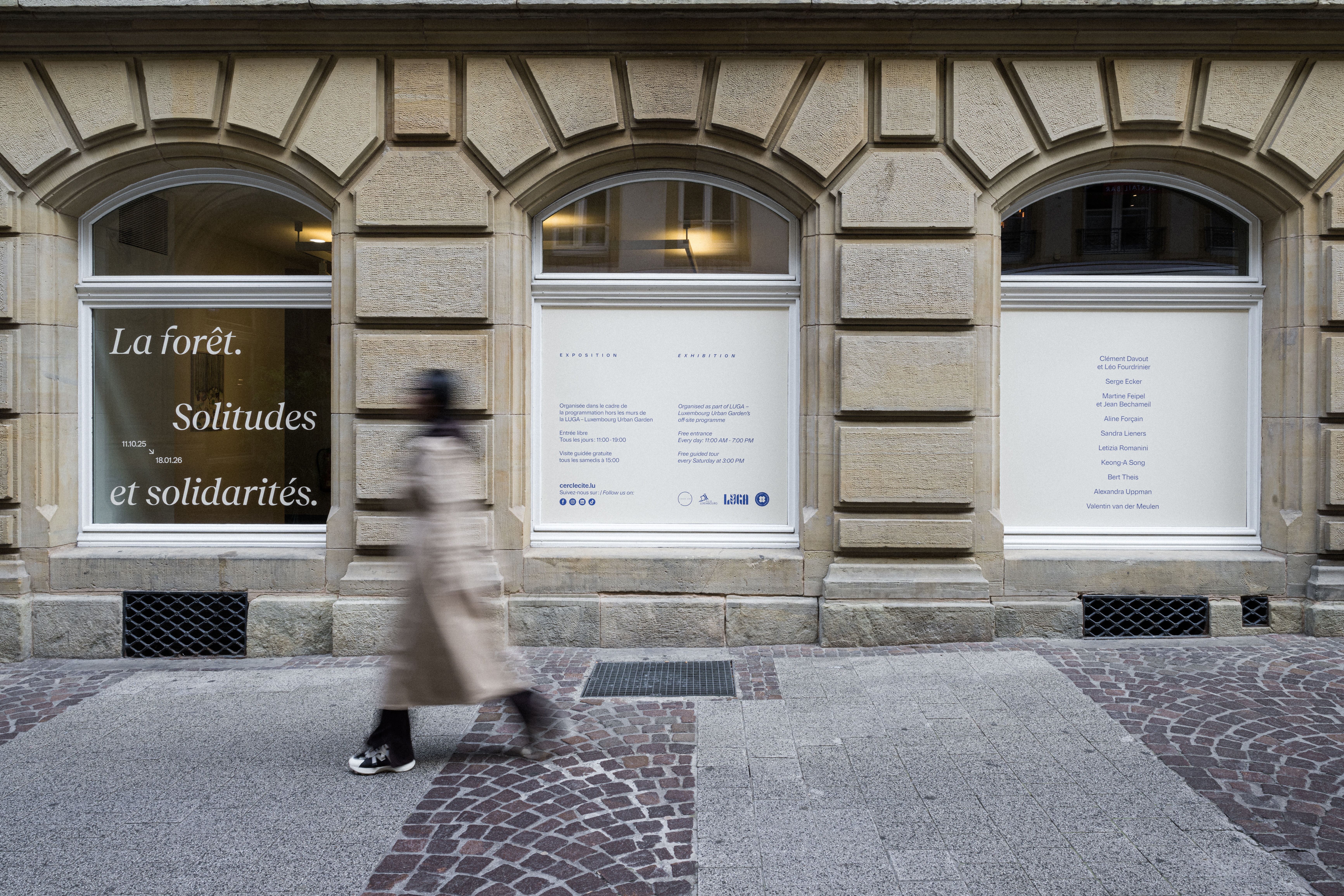
photo by Iyoshi Kreutz
Parure(s) installation - detail (Parure(s) 10) - 2025. Charcoal, black stone and ink on blotting paper.
230 x 160 cm
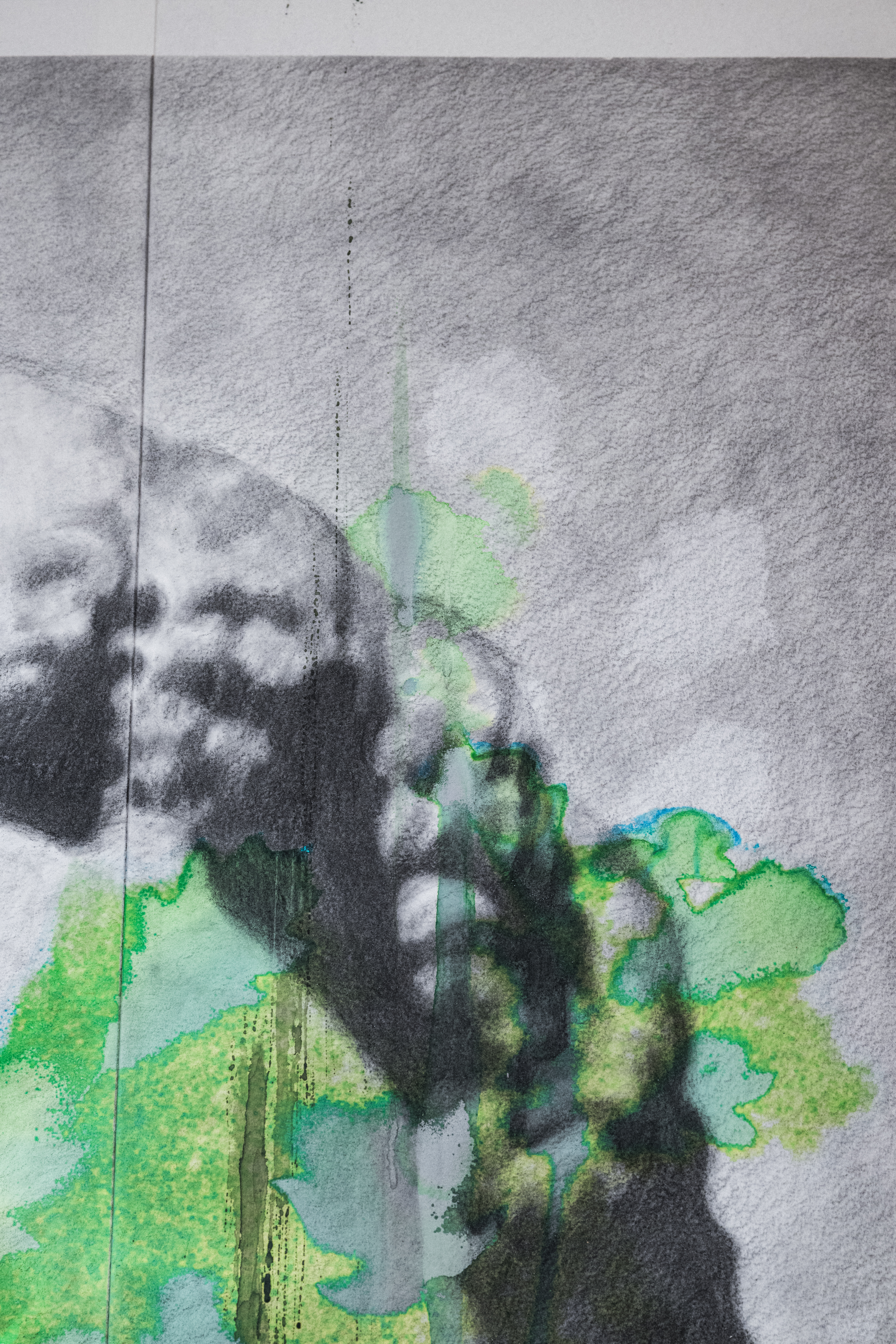
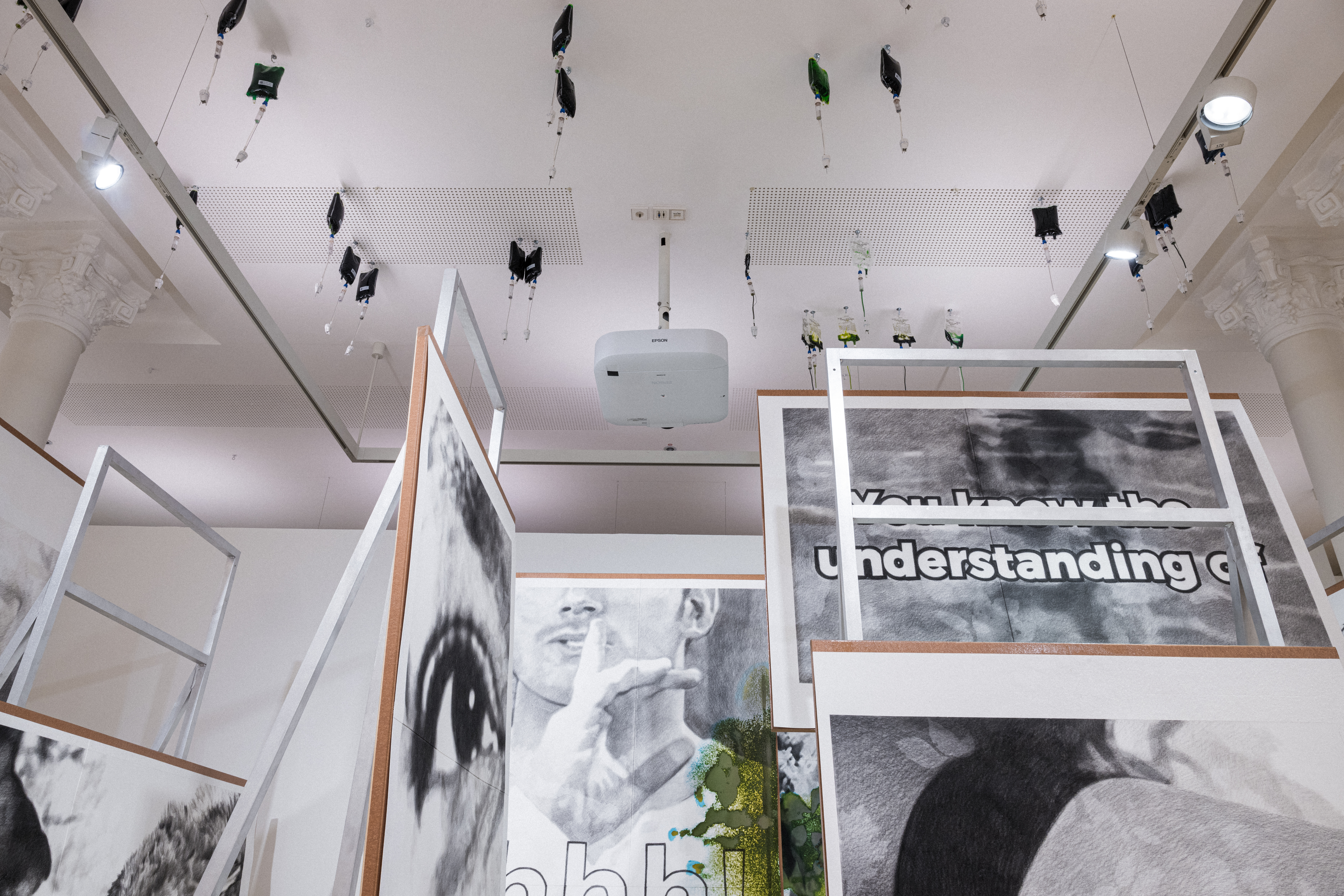
photo by Iyoshi Kreutz
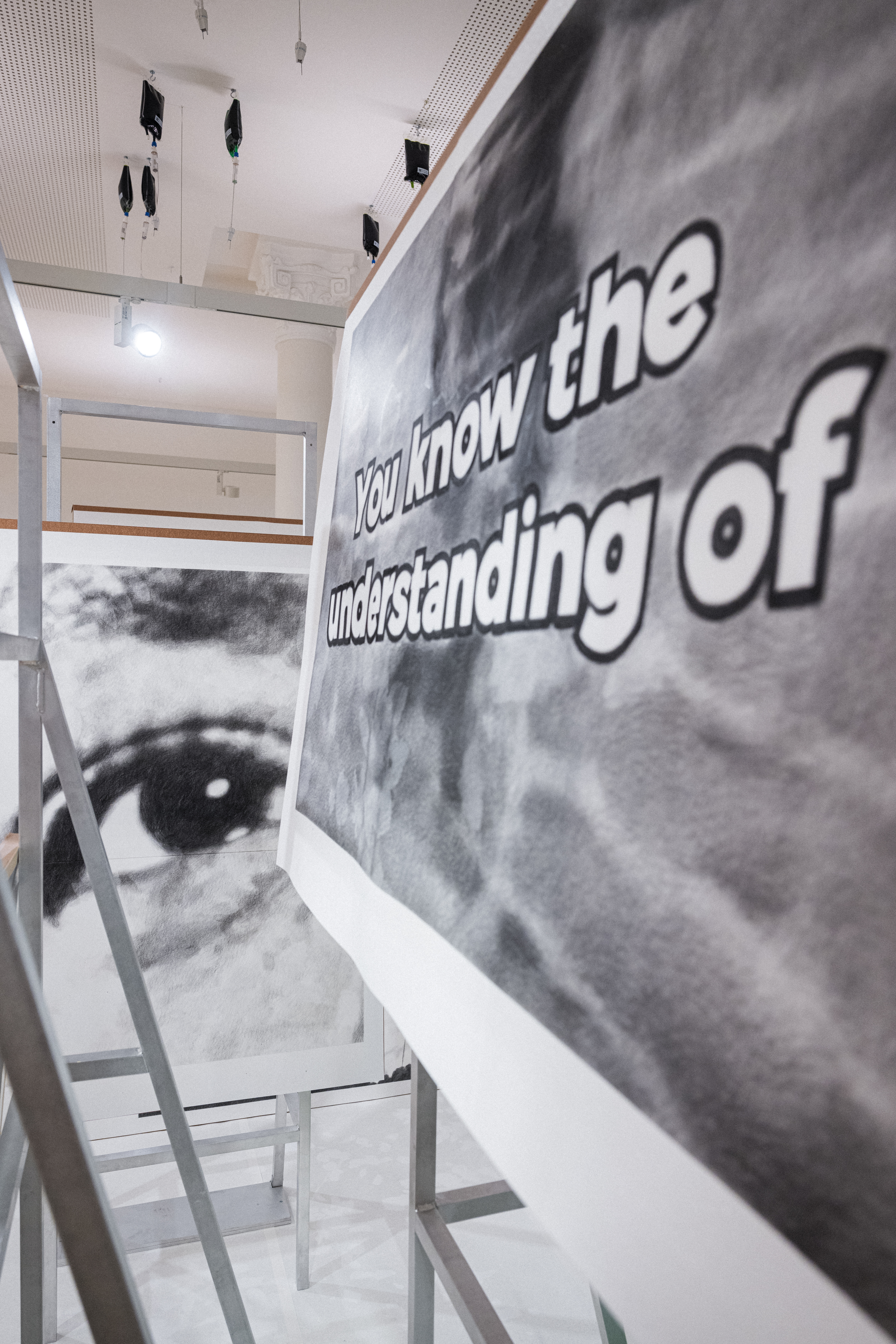
photo by Iyoshi Kreutz

photo by Iyoshi Kreutz

photo by Iyoshi Kreutz
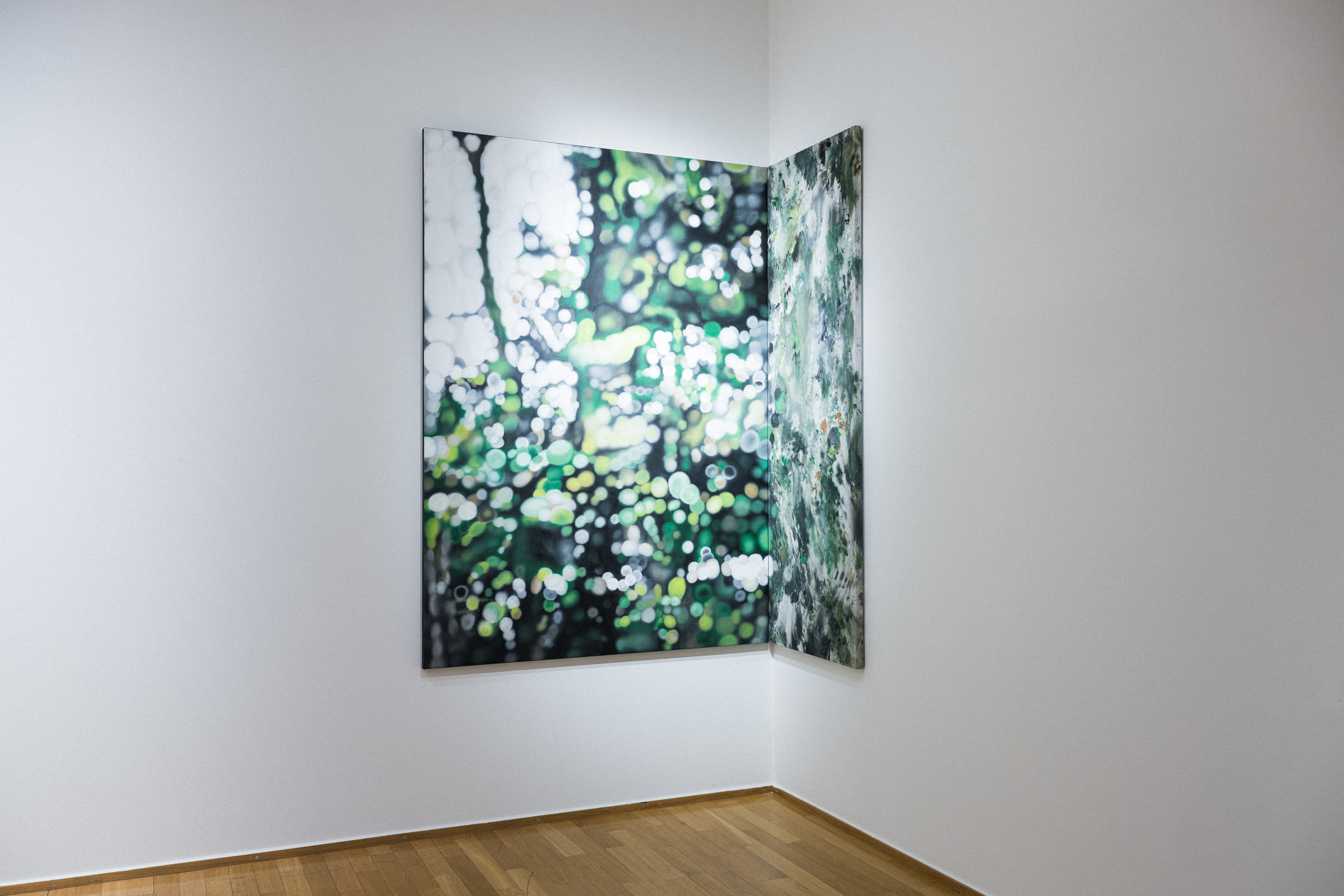
photo by Iyoshi Kreutz
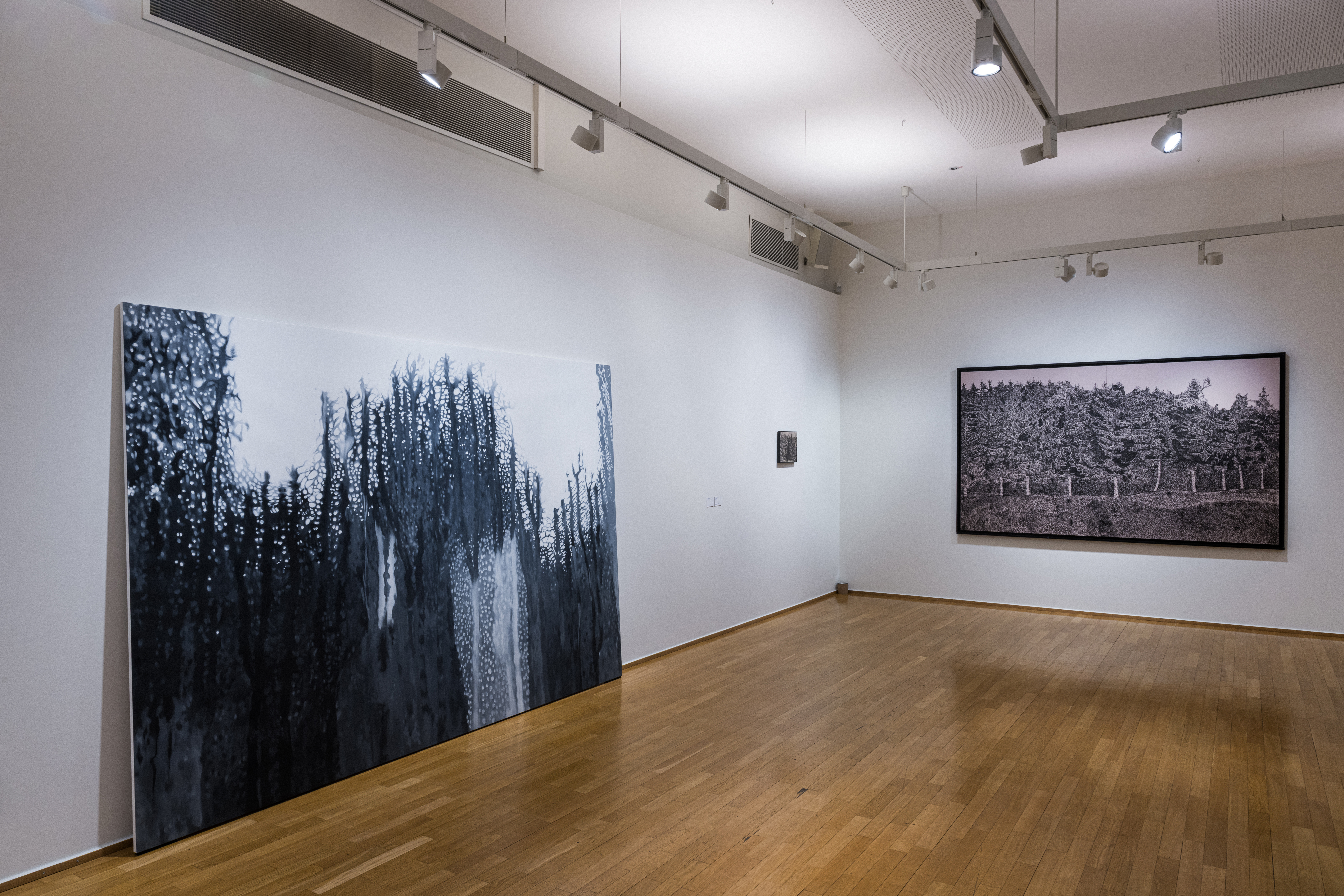
photo by Iyoshi Kreutz

photo by Iyoshi Kreutz
© Copyright Valentin van der Meulen